
“The very people growing rice are the ones left behind by the industry and society” (Lincoln Lee)
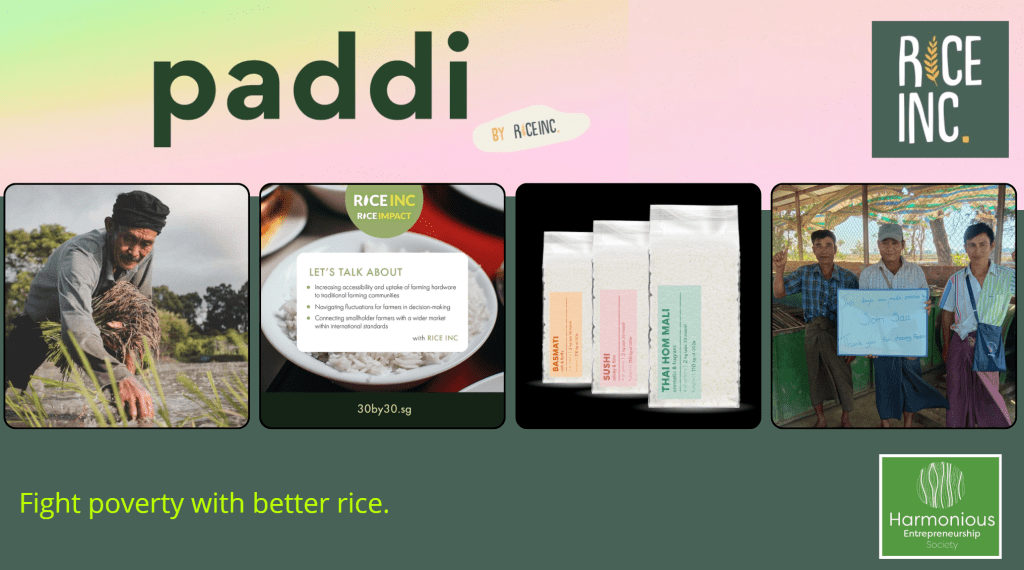
It is not just in the rice production sector that the planet and its people are exploited. In the drive to make as much money as possible entrepreneurship all too frequently has led, in particular, to income inequality and the expatriation of profits. In 2017 two Biomedical Science students from UCL (University College London), Kisum Chan (from Hong Kong) and Lincoln Lee (from Malaysia), recognised this and set up Rice Inc to address the problem in the rice production sector. They had learned that in the process of rice production some 26 million tonnes of the crop are wasted as the producers, 70 per cent of whom are small, rural farmers, are too poor to be able to purchase the sophisticated and expensive equipment needed to dry the crop. So they either sell the wet rice for a low price or leave it outside to dry which takes time and can damage the crop.
In 2017, therefore they joined with 2 other Malaysian students, Jonathon Ong (Accounting and Management) and Zheyi Chia (Economics) and set up Rice Inc. The venture offers farmers two opportunities. Either they can lease the drying equipment from Rice Inc and sell their rice or Rice Inc can store and dry their rice, selling it on the open market when prices rise and taking a commission for so doing. Either way, the venture is helping the farmers to create sustainable businesses that are contributing to a reduction in both food waste and rural poverty.
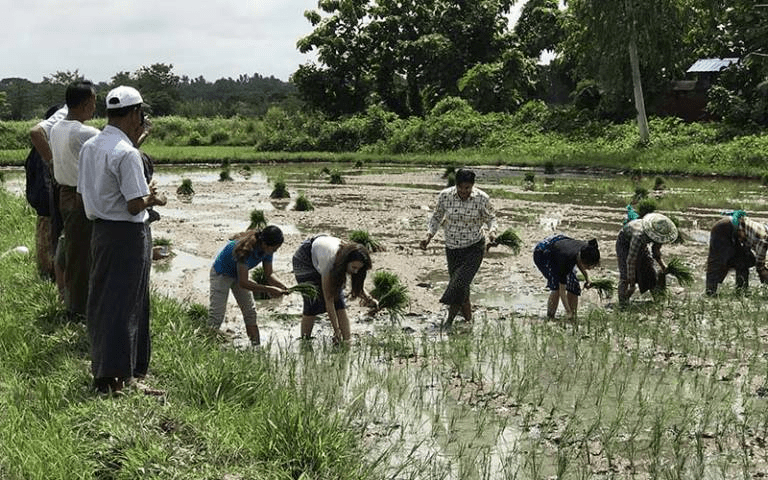
According to Lincoln Lee “The farmers in countries like Myanmar are keen to try new technologies and boost their efficiency and income, but farmers don’t always have the finances –so we have helped create this access” by partnering with the International Rice Research Institute and the Myanmar Rice Federation to set up a network of 40 rice producers in Myanmar. As a result, yields have been increased by between 30 and 40 per cent. On the basis of this and drying some 500 tonnes of rice they entered and won the Hult Prize for 2018, beating some 200,000 other ideas and receiving a $1 million cheque to help scale the venture.
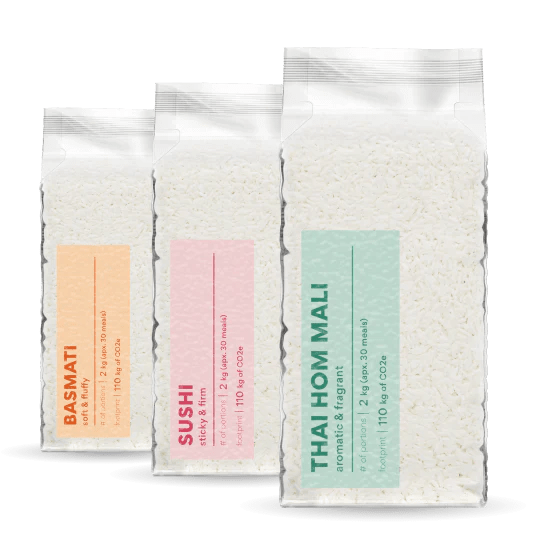
Apart from expanding their network of farmers in South East Asia, they have used the funding to diversify into the production and sale of the world’s first sustainable rice brand. Known as Paddi rice its production reduces the carbon footprint by 50 per cent and water usage by 30 per cent while increasing the income of the farmers by 10 per cent. The company supplies some of the world’s largest caterers and world class chefs and when their B2B customers were closed during the pandemic, they launched RiceUp whereby for every bag of rice sold they donated one to a food charity.
Located in North London, the start-up was launched initially in UCL’s hatchery incubator in the Kings Cross Knowledge Quarter, where it received bespoke advice and mentoring as well as fully funded office space to help its launch and growth. Like Kisum and Lincoln students are becoming increasingly aware of the need to launch ventures that do not harm the planet or its people, ventures that create a better, more sustainable future for everyone, in which profit, planet and people are in harmony with each other. Certainly we need more ventures like Rice Inc that address several of the UN’s 17 SDGs. Apart from addressing climate change (SDG 13), it addresses inequality (SDG 10), No Poverty (SDG1), Zero Hunger (SDG2), Decent Work and Economic Growth (SDG 8), Industry, Innovation, and Infrastructure (SDG 9), Sustainable Cities and Communities (SDG 11), Responsible Consumption and Production (SDG 12) , Life on Land (SDG 15), and Partnerships for the Goals (SDG 17).
© Harmonious-Entrepreneurship.org / Harmonious Entrepreneurship Ltd.
 HES 2020-2026