
“Sustainability is not just about adopting the latest energy-efficient technologies or turning to renewable sources of power. Sustainability is the responsibility of every individual every day, it is about changing our behaviour and mindset…” (Joe Kaeser, Former CEO of Siemens AG).
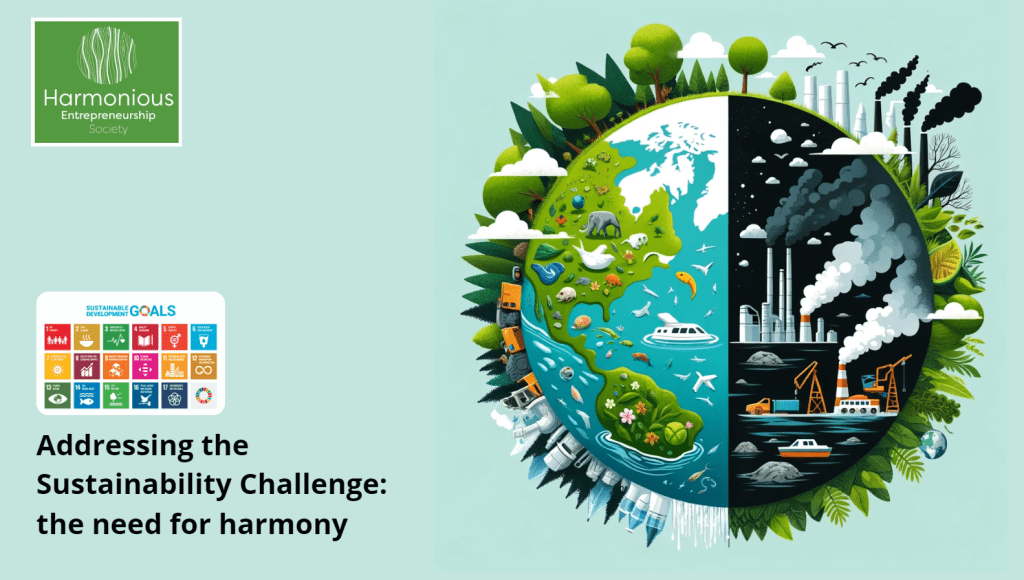
The global sustainability challenge currently facing the planet does not appear to be being resolved. As the Secretary General of the United Nations observed in Egypt last year at COP27, “we are on a highway to climate hell with our foot still on the accelerator”. We are not addressing the problem which is not confined to just climate change. No matter how serious that might be, there are problems other than global warming that are damaging the environment and harming the inhabitants of the planet, as the UN’s 17 SDGs recognise. So why do we appear not to be addressing these problems and the global sustainability challenge, which shows no sign of reducing?

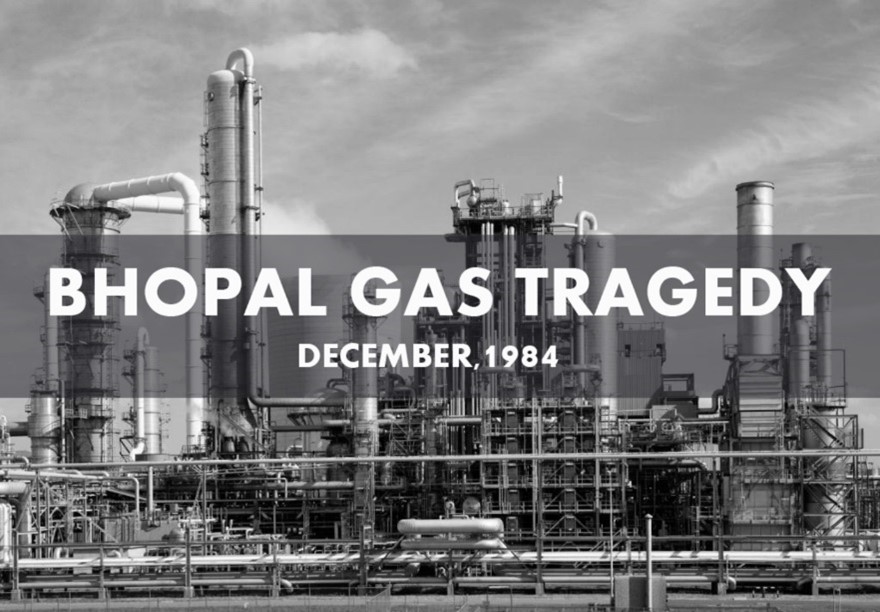
Apart from population growth and the apparent lethargy of politicians and business leaders to react, there are two main reasons. First, the role of business. Traditionally, business and the free market capitalist economy have been concerned with economic development, or, as Friedman. (1970) has acknowledged, with “making as much money as possible”. However, this pursuit of wealth has, on occasion, damaged the planet and harmed its inhabitants. Nowhere is this more evident in recent history than in Aberfan in Wales, where 144 people, including 116 children, were killed in 1966, or in Bhopal in India, where the death toll in 1984 was 2259. In both cases, it was the drive to make money that resulted in such an appalling human tragedy, not just the damage to the environment. As a consequence, it can be argued that if business is not responsible for the current sustainability crisis facing the globe, it has certainly contributed to it.
The second reason why this has happened or is happening is because the planet is a system composed of a series of interconnected subsystems, the most important of which are, perhaps, the economic, environmental, and social subsystems. In accordance with systems theory, if the status of one of the subsystems is changed, it will impact the other, connected subsystems. This means that any proposed solution to a problem needs to be as complex as the problem itself. If we want to address the economy, for example, we need to consider the impact any proposed changes will have on the environment and society.
Rather than just addressing one aspect of the sustainability challenge, we need, therefore, to formulate solutions in which profit, planet, and people are in harmony with each other. When they are, “all things under the sun will flourish,” as the ancient Chinese philosopher Xun Zi (313BC to 238BC) recognised. When they are not, the result is the challenge to sustainability we are currently experiencing. Though less tragic than Aberfan and Bhopal, the recent decision of Tata Steel to convert its fossil fuel blast furnaces to electricity is a contemporary case that demonstrates this most clearly.
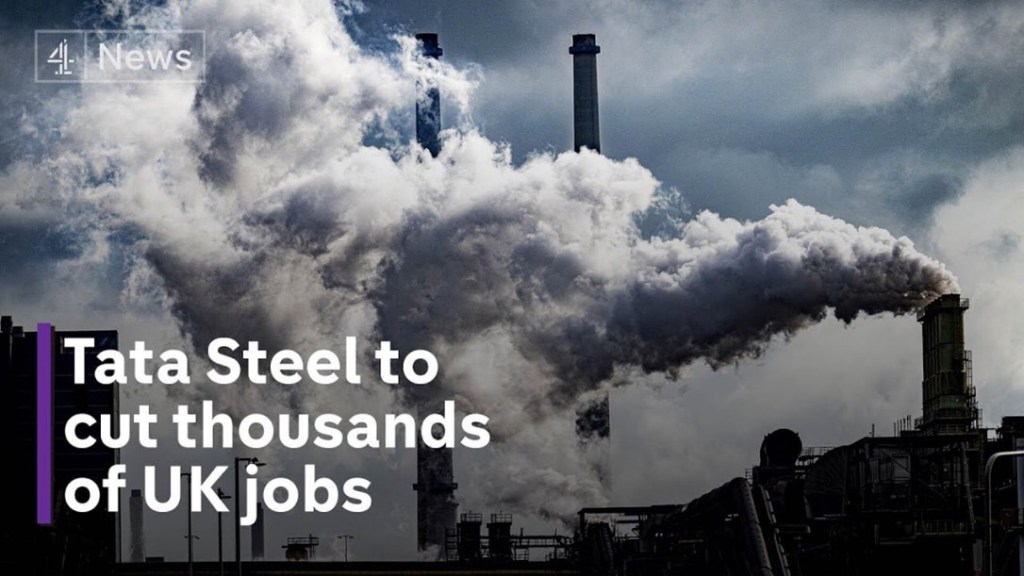
Tata’s decision appears to have been made on the basis of cost and concern for the environment, particularly the need to cut the plant’s annual 5 million tonnes of CO2 emissions, which constitute some 1.5 per cent of the U.K. total. Thus, in reaching its decision, Tata appears to have addressed its own profitability and its impact on the environment, but not its impact on people or society. Sadly, some 2800 employees will be made redundant as a result of the decision. This will not only impact them but also their families and the communities in which they live. Although the community put forward an alternative proposal, it was rejected, and the announcement has been met with a mixture of disbelief, concern, and anger. It need not have been. If the problems facing each of the three subsystems had been considered together, a proposed solution could surely have been formulated that ensured profit, planet, and people were in harmony.
What are the lessons from this? First, although prosperity is important to business, it should not be at the expense of the planet and its inhabitants. Friedman actually recognised that business should focus on “making as much money as possible” while conforming to “the basic rules of society, both those embodied in law and those embodied in ethical custom”. Second, whether we are addressing economic, environmental, or social issues, we cannot address them in isolation if our purpose is to help ameliorate the sustainability challenge. The problem is systemic and requires a solution that is as complex as the problem it is attempting to address—profit, planet, and people need to be in harmony.
© Harmonious-Entrepreneurship.org / Harmonious Entrepreneurship Ltd. (2020-2024).

 HES 2020-2026
A powerful piece from Harmonious Entrepreneurship lead – sadly it is only when there are major disasters do changes happen. Let us hope that we are entering a new era of social and corporate responsibility whereby we move from just “…lessons learnt..” to positive action. Governance is the key – not just profit maximisation but profit with a conscience.
LikeLike